The Winter Solstice marks the shortest day and longest night of the year, typically occurring around December 21st or 22nd in the Northern Hemisphere. This astronomical event has been celebrated for centuries across various cultures, often representing a time of rebirth and renewal, as the days gradually begin to lengthen and the sun returns.
Association with Religion and Culture
While the Winter Solstice is primarily an astronomical phenomenon, it has deep roots in numerous religious and cultural practices. It is closely linked with pagan traditions, particularly those of ancient civilizations, and has also been adopted by various faiths. Pagan festivals celebrating the return of the sun, as well as certain Christmas customs, can trace their origins back to solstice traditions.
Countries and Regions of Celebration
The Winter Solstice is celebrated in various forms worldwide, with notable festivals observed in the following regions:
- North America: Indigenous peoples often observe solstice rituals that reflect their close relationship with nature.
- Scandinavia: Countries such as Sweden and Norway celebrate "Jul," a festival that integrates both Winter Solstice customs and Christmas traditions.
- United Kingdom: Stonehenge is a significant site for solstice celebrations, attracting thousands who gather to observe the sunrise.
- China: The Dongzhi Festival, which celebrates the Winter Solstice, focuses on family reunion and the consumption of special foods.
- Iran: Yalda Night, or Shab-e Yalda, marks the longest night of the year and includes festivities to welcome the return of longer daylight.
Historical Background and Origin
Historically, the Winter Solstice has been recognized since ancient times as a pivotal moment in the annual calendar. Many ancient civilizations, including the Egyptians, Romans, and Druids, revered the solstice as a crucial point on the agricultural calendar. They developed elaborate rituals to honor the rebirth of the sun, including feasting, lighting fires, and making offerings. The celebration of the solstice can be traced back over 3,000 years to rituals in the Neolithic era, with symbolic practices evolving as societies changed.
Cultural and Religious Significance
The cultural significance of the Winter Solstice revolves around the themes of rebirth, renewal, and the cyclical nature of life. Many cultures view the solstice as a time to celebrate the returning light—the sun’s gradual increase in strength symbolizes hope and new beginnings. In various traditions, the solstice also incorporates spiritual aspects, such as a call for reflection, gratitude, and preparation for the coming year.
For example, in ancient Rome, the Festival of Saturnalia was celebrated in honor of Saturn, the god of agriculture. This festive occasion involved various merriments, including feasting and exchanging gifts, similar to modern Christmas traditions.
Common Traditions and Symbols
Celebrations associated with the Winter Solstice often feature unique customs and symbols, including:
- Fire and Light: Many cultures light bonfires or candles to symbolize the sun’s return and dispel darkness.
- Feasting: Gatherings with family and friends involve hearty meals, often featuring seasonal foods.
- Nature Elements: Decorated trees, wreaths, and the use of evergreens are common symbols representing everlasting life during the winter season.
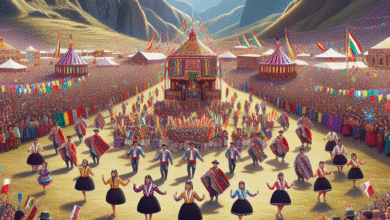
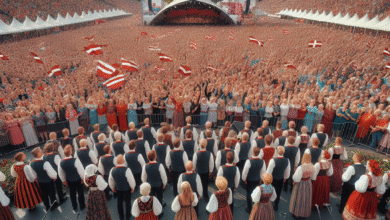
- Music and Dance: Ancient celebrations often included singing, dancing, and other forms of artistic expression to honor the occasion.
Activities such as making winter solstice crafts, storytelling, and sharing memories are also common, emphasizing unity among families and communities.
Time of Year and Typical Dates
The Winter Solstice typically takes place between December 21st and 22nd in the Northern Hemisphere and marks the beginning of winter. Its occurrence can vary slightly each year due to how the Gregorian calendar aligns with the solar year, leading to occasional shifts in dates.
Fun or Lesser-known Facts
- Stonehenge Gathering: In the UK, thousands gather at Stonehenge each year for the dawn of the Winter Solstice, acknowledging the Neolithic site’s historical connection to solstice celebrations.
- Cultural Diversity: The Winter Solstice is celebrated across various belief systems and geographic regions, each bringing its own flavor and traditions to the observance.
- Reverse of Summer Solstice: Many of the celebrations and rituals seen during the Winter Solstice can be viewed as the ‘reverse’ of those during the Summer Solstice, underscoring the balance of nature’s cycles.
In conclusion, the Winter Solstice remains a powerful reminder of the cyclical nature of life and the enduring human connection to the natural world. It encompasses a rich tapestry of traditions and cultural significance that highlight the importance of light, hope, and community during the darkest time of the year.