Introduction
Sechseläuten, celebrated annually in Zurich, Switzerland, is a traditional spring festival known for its vibrant atmosphere and captivating rituals. The event, known for its iconic burning of the “Böögg,” a snowman effigy, marks the transition from winter to spring, symbolizing the end of the cold season and the arrival of warmer days.
Cultural Significance
Sechseläuten is rooted in longstanding cultural traditions rather than religious observances. It embodies the spirit of renewal and the joy of community gathering, making it a significant event in Zurich’s cultural calendar. The festival not only heralds the arrival of spring but also involves various activities celebrating Swiss heritage.
Countries and Regions of Celebration
While Sechseläuten is specifically known for its celebration in Zurich, similar spring festivals can be found in other regions and countries, such as:
- Germany: Other spring festivals like “Ostern” incorporate similar themes of renewal.
- Austria: Celebrations often reflect on nature’s resurgence after winter, including events like “Walpurgisnacht.”
- Sweden: The “Valborg” celebration in Sweden shares the theme of welcoming spring, marked by bonfires and social gatherings.
Historical Background
The origins of Sechseläuten date back to medieval times, around the late 13th century. Initially part of a guild tradition, it was a time when craftsmen would ring the bells at 6 PM to signify the end of the workday, hence the name “Sechseläuten,” which translates to “six o’clock ringing.” The festival gradually evolved, incorporating the Böögg burning as a way to ward off winter and celebrate the blossoming of spring.
Cultural and Religious Significance
Sechseläuten holds a deep cultural significance for the people of Zurich. It serves as a reminder of the cycle of seasons and the importance of the community. The festival is a unique combination of social gatherings, parades, and local customs, reflecting both historical and contemporary Swiss values. By burning the Böögg, participants symbolically dispose of the hardships of winter and welcome new growth and life.
Common Traditions and Practices
Traditions associated with Sechseläuten include:
-
The Böögg Burning: The highlight of the festival involves the burning of the Böögg, traditionally made of straw and dressed in winter clothing. The time it takes for the Böögg’s head to explode is believed to predict the coming summer’s weather: a shorter time signifies a warm, pleasant summer, while a longer duration foreshadows a cooler season.
-
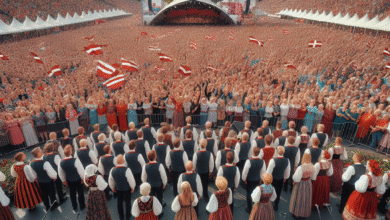
Festive Parades: The festival features allegorical floats, marching bands, and members of various guilds dressed in traditional attire, showcasing Zurich’s historical guild heritage.
-
Social Gatherings: Communities come together to enjoy local food and drink, fostering camaraderie among residents and visitors alike.
Time of Year
Sechseläuten is typically celebrated in spring, aligning with the calendar’s transition into warmer weather. The festival occurs on the third Monday of April every year.
Typical Dates
As a movable feast, Sechseläuten does not have a fixed date on the calendar but falls on a consistent day within April. For example, the festival will occur on April 17 in 2023, April 15 in 2024, and April 21 in 2025. This scheduling allows for local preparations and ensures participation from various community members.
Fun and Lesser-Known Facts
-
The Böögg’s Design: Each year, the Böögg is designed uniquely, often reflecting local themes or current events, making it a canvas for community creativity.
-
Weather Predictions: The lore surrounding the Böögg’s burning provides not only a festive atmosphere but also serves as a local weather forecast, adding an element of playful anticipation to the event.
-
Cultural Exchange: Though primarily a Zurich celebration, the festival draws tourists and locals from across Switzerland, encouraging cultural exchange and deeper appreciation for Swiss traditions.
In conclusion, Sechseläuten represents a unique blend of historical significance, cultural celebration, and community spirit, marking the transition from winter to spring with enthusiasm and joy. It is not only an emblem of Zurich but also a testament to the enduring spirit of Swiss tradition and unity.