Introduction
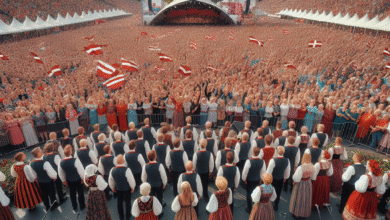
Juhannus, also known as Midsummer, is a vibrant and cherished celebration in Finland, marking the arrival of summer and the summer solstice. This festival combines elements of tradition, cultural heritage, and natural beauty, gathering communities and families for joyous festivities under the near-constant sunlight of the Nordic summer.
Religious and Cultural Associations
While Juhannus has roots in pre-Christian pagan customs, it now encompasses a mix of Christian and cultural significance. Traditionally, the festival celebrates St. John the Baptist, or “Johannes Kastaja” in Finnish. However, its origins can be traced back to ancient rituals associated with the summer solstice, when people celebrated the longest day of the year with bonfires and various fertility rites.
Regions of Celebration
Though Juhannus is particularly prevalent in Finland, it is also celebrated in other Nordic countries, such as:
- Sweden: Known as Midsommar, this celebration features similar customs, showcasing regional variations.
- Norway: Celebrated with festive gatherings, music, and traditional foods.
- Estonia: Celebrated as Jaanipäev, where people enjoy bonfires and traditional songs.
- Latvia: Known as Jāņi, it includes unique customs celebrating the summer solstice.
Historical Background and Origin
Juhannus celebrations date back to ancient agrarian societies. Early inhabitants honored the solstice as a time of fertility and abundance, fostering rituals that honored nature and fertility gods. With the introduction of Christianity in Finland, many of these ancient practices were assimilated into the festivities honoring St. John the Baptist, allowing the celebration to retain its connection to nature while adopting a Christian context.
Cultural and Religious Significance
Juhannus holds significant cultural and spiritual importance in Finnish life. It symbolizes a time for renewal, reflection, and connection with nature. The festival also represents the fleeting nature of summer in the Nordic countries, where long, bright days are cherished and celebrated as a reprieve from the darker winter months.
Common Traditions and Practices
Juhannus is characterized by a variety of customs and practices, including:
- Bonfires: Large bonfires are lit, symbolizing protection and light. People gather around these fires to enjoy the warmth and vibrant atmosphere.
- Sauna: A quintessential Finnish tradition, many celebrate by enjoying a sauna, often before merriment begins. It’s considered a space for purification and socializing.
- Nature Connection: Many participants pick wildflowers, decorate their homes, and set up Midsummer wreaths, often placing them on the head.
- Festive Foods: Traditional foods such as new potatoes, herring, and fresh berries are commonly enjoyed, often paired with local drinks.
- Dancing and Music: Celebratory gatherings frequently feature folk music, singing, and traditional dances among friends and family.
Timing and Dates of Celebration
Juhannus is celebrated on the weekend closest to the summer solstice, typically falling between June 20 and June 26. The date is not fixed; it shifts yearly based on the calendar, ensuring that it always coincides with the longest day of the year.
Fun and Lesser-Known Facts
- Midnight Sun: In northern Finland, the sun doesn’t set for several weeks during the summer, leading to unique experiences during Juhannus.
- Rural vs. Urban Celebrations: While rural areas often host traditional bonfires and large gatherings in nature, urban celebrations might include street festivals and artistic events.
- Personal Retreats: Many Finns take this opportunity to escape to summer cottages (or “mökki”), creating a deep sense of connection with nature and the environment.
- Legends and Superstitions: Various superstitions surround Juhannus; for instance, it is said that if one picks seven different flowers and places them under their pillow, they will dream of their future spouse.
In conclusion, Juhannus remains an essential part of Finnish cultural heritage, embodying themes of community, nature, and celebration. As people come together to honor this festival, they simultaneously preserve their historical roots and embrace the joys of summer in Finland.