Introduction
Guru Nanak Gurpurab, also known as Guru Nanak Jayanti, is a significant religious festival celebrated by Sikhs around the world. It marks the birth anniversary of Guru Nanak, the first Sikh Guru, and is observed with great devotion and reverence. This day symbolizes spiritual enlightenment, equality, and moral integrity, making it an essential occasion for Sikhs and those who believe in his teachings.
Religion Association
Guru Nanak Gurpurab is primarily associated with Sikhism, a monotheistic faith that originated in the Punjab region of India in the late 15th century. Founded by Guru Nanak and further developed by nine successive Gurus, Sikhism emphasizes the oneness of God, equality, community service, and justice.
Countries and Regions of Celebration
Guru Nanak Gurpurab is celebrated in various countries, primarily:
- India: The birthplace of Sikhism, particularly in Punjab.
- Pakistan: Especially in Nankana Sahib, the birthplace of Guru Nanak.
- Canada: Home to a significant Sikh population, with large celebrations in cities like Vancouver and Toronto.
- United Kingdom: Communities across England and Wales commemorate the holiday.
- United States: Celebrations occur in areas with sizable Sikh communities, such as California and New York.
Historical Background and Origin
Guru Nanak Gurpurab traces its origin to the birth of Guru Nanak (1469-1539), who is revered as the founder of Sikhism. His teachings emphasized the importance of compassion, humility, and truth. The first Gurpurab celebration is believed to have taken place shortly after his death, with Sikhs gathering to honor his legacy and teachings. Traditionally, this day serves as a reminder of Guru Nanak’s messages of love, service, and equality among all humanity.
Cultural and Religious Significance
Guru Nanak Gurpurab holds immense religious and cultural significance for Sikhs. It is a time for reflection on his teachings and the values of Sikhism, including selfless service (seva) and community support. The festival fosters communal harmony and reaffirms the principles of equality and social justice. Sikhs believe that celebrating Guru Nanak’s birth helps to strengthen their faith and connection to the Guru’s teachings.
Common Traditions, Practices, and Symbols
Observances during Guru Nanak Gurpurab include:
- Akhand Path: A continuous reading of the Guru Granth Sahib, the holy scripture of Sikhism, which is maintained for 48 hours before the celebrations.
- Nagar Kirtan: A procession in which hymns are sung, and the Guru Granth Sahib is carried through the streets to share Guru Nanak’s teachings with the community.
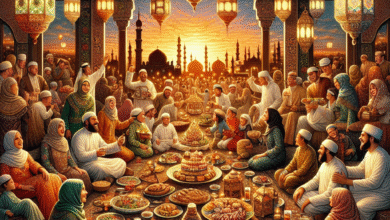
- Langar: A communal meal served to all attendees, embodying the Sikh principle of equality, where everyone sits together irrespective of social status.
- Rituals and Worship: Devotees gather in Gurdwaras (Sikh places of worship) to offer prayers, listen to hymns (shabads), and participate in keertan (musical recitations of religious texts).
Symbols such as the Khanda (the Sikh emblem) and the Guru Granth Sahib are prominent during celebrations, reinforcing Sikh identity and heritage.
Time of Year and Dates
Guru Nanak Gurpurab is celebrated on the full moon day of the Kartik month in the lunar calendar, which typically falls in October or November in the Gregorian calendar. The date is movable and varies each year, making it important for devotees to check the lunar calendar for the specific date.
Fun and Lesser-Known Facts
- The birthplace of Guru Nanak, Nankana Sahib, located in modern-day Pakistan, is an important pilgrimage site for Sikhs globally.
- In 2020, the Indian government declared Guru Nanak Gurpurab a national holiday, highlighting its significance.
- Some Sikh communities also celebrate the festival by engaging in acts of charity or helping the less fortunate, reflecting Guru Nanak’s teachings on service and compassion.
Guru Nanak Gurpurab serves not only as a reminder of Guru Nanak’s birth but as a means to reflect on his teachings and continue sharing his message of love and equality throughout the world.