Introduction
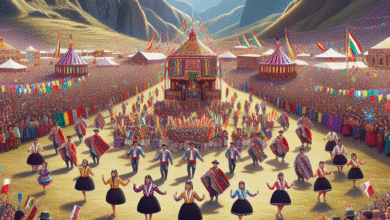
The Carnival of Binche is a vibrant, annual festival celebrated in the Walloon town of Binche, Belgium. Renowned for its unique blend of cultural heritage, vibrant parades, and rich traditions, this carnival is a significant event in the region, attracting locals and tourists alike. It embodies the spirit of festivity while showcasing the community’s historical roots and cultural practices.
Religious and Cultural Association
The Carnival of Binche is predominantly associated with the Christian tradition of Lent, marking the period of fasting and reflection leading up to Easter. While it has religious undertones, the festival itself is celebrated as a cultural event, emphasizing local customs, folklore, and social unity.
Geographic Significance
Primarily celebrated in:
- Belgium – The Carnival of Binche is most prominently held in Binche, a town in the Hainaut province.
- France – Certain regions of northern France, particularly those with Belgian cultural influence, celebrate similar carnivals.
- Other parts of Wallonia – Various towns in this primarily French-speaking region of Belgium partake in their own versions of carnival celebrations.
- The Netherlands – Some areas exhibit carnival-like festivities, influenced by Belgian customs and traditions.
Historical Background and Origin
The origins of the Carnival of Binche date back to the Middle Ages, with some historical references suggesting its roots can be traced back to the 14th century. The festival was initially a form of community celebration to mark the end of winter and the arrival of spring. Over the centuries, it evolved into a significant cultural event, incorporating elements from local traditions and folklore. The festival was recognized by UNESCO in 2003 as a Masterpiece of the Oral and Intangible Heritage of Humanity, underscoring its cultural importance.
Cultural and Religious Significance
The Carnival of Binche holds considerable importance both culturally and religiously. It serves as a time for communities to come together and break away from routine, allowing for expressions of joy, humor, and creativity. Traditionally tied to the Christian calendar, it is an opportunity for individuals to engage in merriment before the solemn period of Lent begins. The festival fosters a sense of community and belonging, making it a cherished event for the residents of Binche and surrounding areas.
Common Traditions and Practices
Gilles
One of the most iconic figures of the Carnival of Binche is the Gilles—a character dressed in elaborate costumes featuring bright colors and masks, often accompanied by bells. The Gilles play a pivotal role in the celebrations, engaging with spectators by throwing oranges as symbols of good luck. This practice is deeply rooted in local folklore.
Parades
The carnival features multiple parades showcasing music, dance, and traditional costumes. These parades often include various groups, each highlighting unique themes and performances that reflect local culture and history.
Masks and Costumes
Costumes play a central role in the festivities, with participants donning vibrant, ornate outfits that often depict historical or satirical themes. Masks, while colorful and expressive, also serve to hide the identity of the wearer, emphasizing the aspect of social levity and freedom that characterizes the carnival.
Timing and Dates
The Carnival of Binche is celebrated annually, typically in early spring. The festival commences on the Sunday before Ash Wednesday and culminates on Ash Wednesday itself. Since the date of Ash Wednesday changes each year based on the lunar calendar, the specific dates of the carnival vary annually. Typically, the carnival occurs sometime between late February and early March.
Fun Facts
- UNESCO Recognition: In addition to its recognition as a Masterpiece of the Oral and Intangible Heritage of Humanity, the Carnival of Binche is celebrated for its deep-rooted traditions, with practices passing from generation to generation.
- Cultural Exchange: The festival has inspired similar carnivals in other regions, showcasing the interconnectedness of cultural practices across borders.
- Revival of Tradition: After disruptions such as World Wars and health crises, the carnival has continually evolved, showing resilience and adaptability while maintaining its core traditions.
The Carnival of Binche is more than just a festive event; it is a celebration of history, community, and cultural identity, making it a key highlight in Belgium’s annual calendar of events.